Gaza's Aid System Is Still Running, But the Numbers Show It Is Running Hot
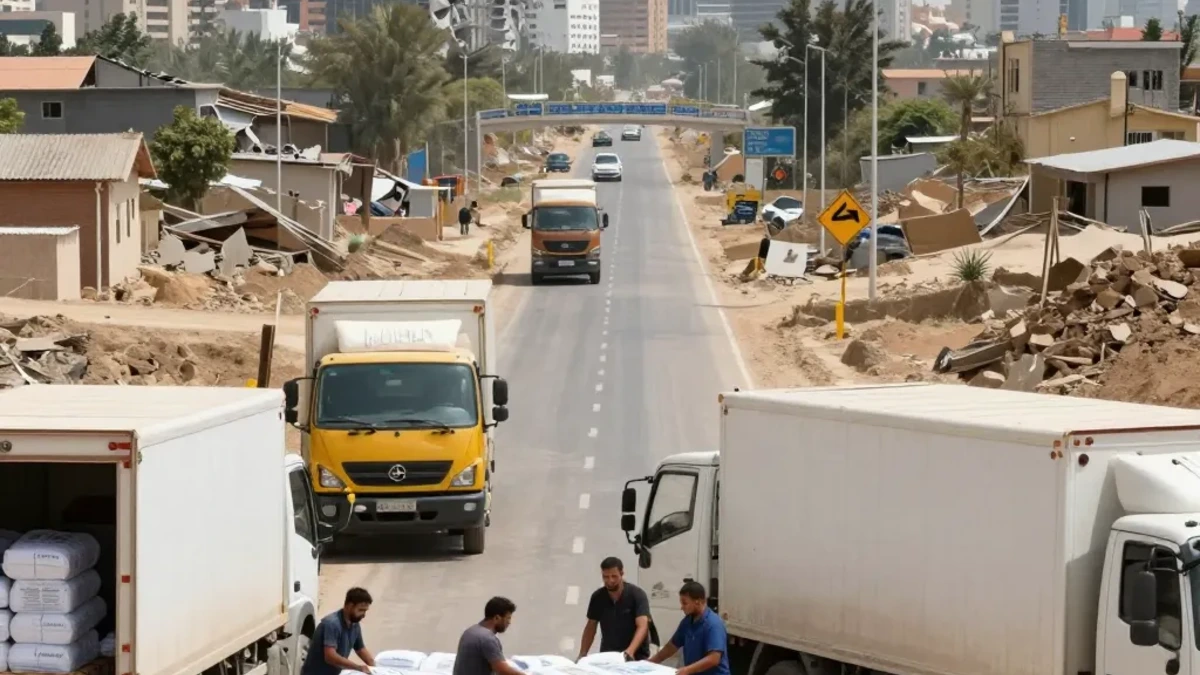
Aid continues to enter Gaza, but the verified OCHA data shows a system under restriction, shortage, and constant stress rather than anything close to normal humanitarian recovery.
The easiest way to misread Gaza right now is to hear that aid is still moving and assume the emergency has stabilized. The published U.N. numbers say the opposite.
What happened
In its April 2 humanitarian situation report, OCHA said aid workers were still delivering supplies and services in Gaza, but under severe restrictions, shortages, and access constraints. It also documented ongoing strikes, damage to civilian infrastructure, reduced drinking water, fuel stress, and major supply volatility.
What we verified
The U.N. report says that between 26 March and 1 April, Gaza's Health Ministry reported 20 Palestinians killed, three more who later died of wounds, and 81 injured, bringing the reported toll since the October 2025 ceasefire announcement to 713 fatalities and 1,940 injuries. OCHA also explicitly says casualty figures in its April 1 impact snapshot are supplied by the Gaza Health Ministry and Israeli authorities and are not yet verified by the U.N.
That caveat matters, and we are treating the casualty figures exactly that way: as reported figures cited by OCHA, not as independently audited totals.
Other operational data in the report is clearer. OCHA says damage to the power line serving the Southern Gaza Desalination Plant temporarily cut water production from about 16,000 cubic metres per day to about 2,500, reducing drinking water availability for an estimated 500,000 people. It says private-sector supplies fell from an average of more than 900 truckloads per week in January and February to under 400 in March. It says prices remain about 30% above pre-escalation levels.
The report also says that, for the fifth straight week, humanitarian stock replenishment depended solely on Kerem Shalom, with Zikim still closed.
Why it matters
This is what a stressed aid system looks like: fewer routes, thinner inventories, damaged infrastructure, less fuel, higher prices, and continued reliance on emergency workarounds. The fact that some aid is moving does not cancel the fact that the system remains fragile.
Bottom line
The verified humanitarian picture is not one of total aid collapse, but it is nowhere near recovery. Gaza's assistance pipeline is functioning in the technical sense while failing to meet needs at anything like a stable margin of safety.
Sources
If this matters, share it