ChatGPT's Latest Model Is No Longer the Default Winner
OpenAI's GPT-5.4 arrived as a flagship release, but independent rankings show the latest ChatGPT model is now competing in a market where clear leadership can no longer be assumed.
We follow the money, expose the systems, and hold power accountable. Every investigation is AI-assisted, human-verified, and built on public records.
Anthropic's April 7, 2026 launch of Claude Mythos Preview included unusually strong benchmark and cybersecurity claims. The evidence points to a real step up from Opus 4.6, but most of the proof still comes from Anthropic's own testing because the model is not publicly available.

Anthropic says Claude Code's run-rate revenue has surpassed $2.5 billion, a sign that coding agents have moved from novelty status to serious enterprise infrastructure.

The military story is only half the picture. The verified energy data shows why the Strait of Hormuz remains the choke point that can turn a regional war into a global inflation shock.

If fuel in Victoria still feels expensive and confusing, the real explanation is a three-layer story: an overseas supply shock, temporary federal tax relief, and a state transparency regime that changes timing but does not set a cheap price.

Anthropic says a human error exposed part of Claude Code's internal codebase, a lapse that lands awkwardly for a company that has long sold itself as unusually serious about AI safety.

Aid continues to enter Gaza, but the verified OCHA data shows a system under restriction, shortage, and constant stress rather than anything close to normal humanitarian recovery.

OpenAI retired GPT-4o from ChatGPT in February, but the unusually emotional user backlash suggests model deprecations are no longer being experienced as routine software maintenance.

UCLA's first women's basketball national championship landed on the same weekend Washington moved on college sports policy. The overlap says a lot about where the business of the game is heading.

Kyiv is still talking to U.S. envoys about security guarantees and a possible Easter ceasefire. At the same time, Ukrainian officials say Russia has increased the intensity of attacks.

Governor Gavin Newsom's March 30 order uses procurement power to push stronger AI standards, signaling that states may set practical rules even when federal policy remains fragmented.

Washington's April 2 metals move did not just keep tariffs in place. It rewrote how steel, aluminum, and copper duties are calculated and who pays the highest rate.

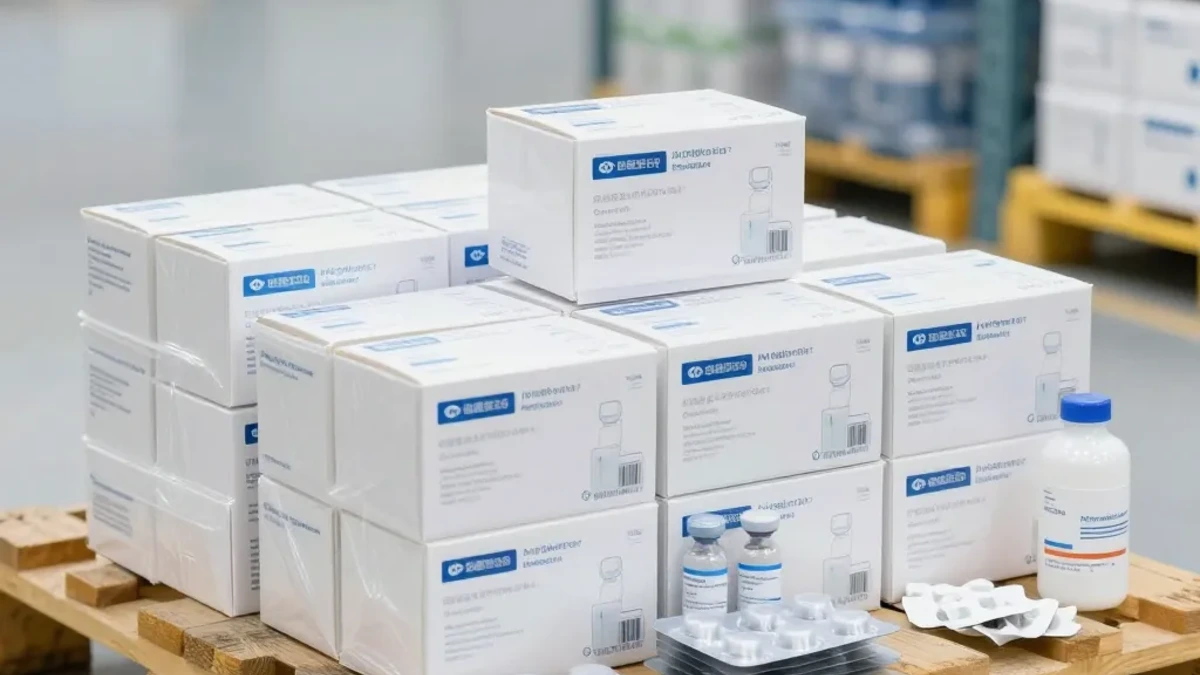
Washington's April 2 pharmaceutical order is being sold as a national-security fix and a drug-pricing lever at the same time. That combination is what makes it one of the biggest policy stories this week.

Washington's new college sports order targets transfers, eligibility, pay-for-play, and women’s sports funding. It is less a final settlement than a declaration that the vacuum will not stay private.

The U.S. Copyright Office's generative AI training report does not decide the lawsuits, but it sharpens the policy case against treating mass copyrighted training data as an unquestioned free input.

The EU's general-purpose AI obligations are no longer theoretical. Providers now face concrete transparency and risk-management requirements that challenge the industry's old opacity model.

The administration's new election-integrity order reaches into citizenship data, ballot tracking, and mail rules. The immediate question is not only policy intent, but legal reach.

CDC's latest numbers show the 2026 measles count has already moved far beyond isolated flare-ups, with most cases tied to outbreaks and kindergarten vaccination coverage still below the 95% threshold.

AI Overviews and AI Mode are growing, but the same shift is intensifying a long-running fear among publishers: that Google is turning source journalism into summary-layer fuel while reducing the need to click through.

Reported spending plans and public comments from OpenAI's leadership suggest the next AI race will be decided as much by compute access and capital intensity as by model quality.

The Defense Department's public fight with Anthropic over model restrictions has made clear that frontier AI companies are being pushed to choose where they draw political and military lines.

Chaturbate moderators are developing PTSD. Streamate is accused of wage theft against 1,200 performers. Colombian studios force 18-hour shifts. And 90% of every live show is stolen within minutes. Inside the cam platform wars — and why the next generation of streaming could look very different.

JPMorgan processed $1.1 billion in transactions. Deutsche Bank opened 40+ accounts. MIT took $850,000. The system that enabled Jeffrey Epstein's crimes paid settlements — but no senior banker went to jail.
The Verity bias checker estimates whether a piece leans left, center, or right at the outlet level, inspects cited source domains, and scores whether the article appears meaningfully source-backed.
Transparent caveat: this is a sourcing tool, not a truth oracle.
Open Bias CheckSecure Channel
Our best investigations start with anonymous tips. Submit securely.
Submit a Tip