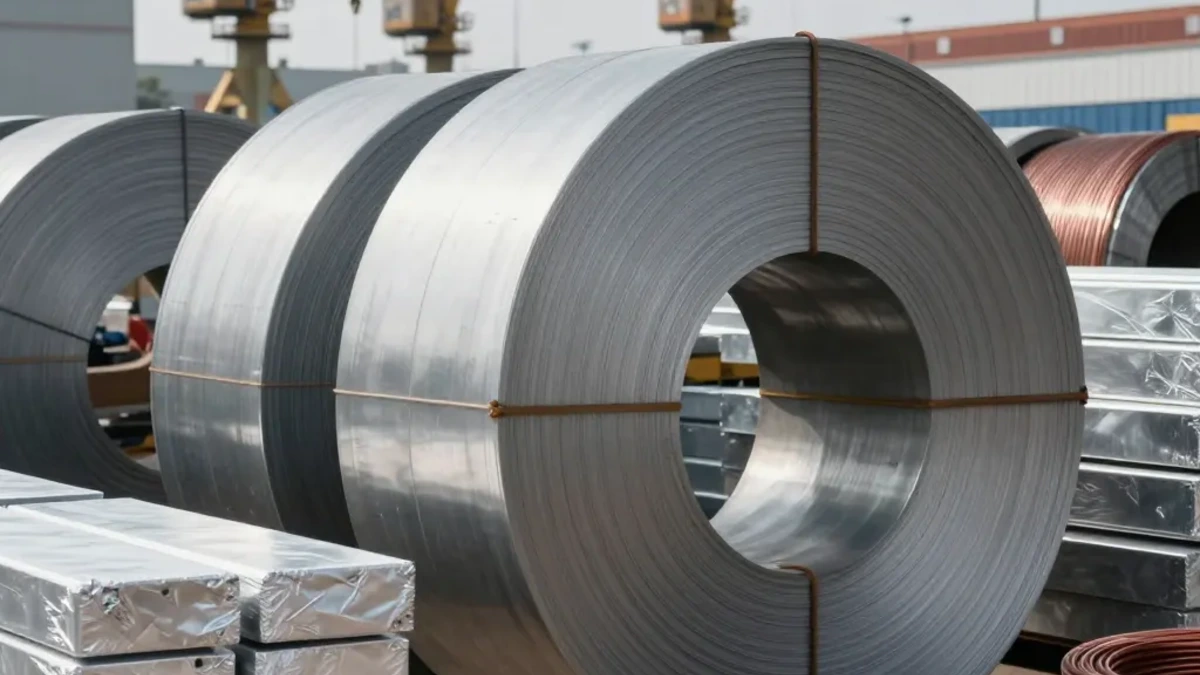
The Metals Tariff Reset Is a Manufacturing Story With Global Fallout
Washington's April 2 metals move did not just keep tariffs in place. It rewrote how steel, aluminum, and copper duties are calculated and who pays the highest rate.
The April 2 metals order matters because it changes the tariff mechanics, not only the rate.
What happened
The White House said President Trump signed a proclamation to strengthen tariffs on imported steel, aluminum, and copper. The public rationale is national security and domestic industrial resilience.
What we verified
The White House fact sheet says:
- articles made entirely or almost entirely of aluminum, steel, or copper face a 50% tariff on full value,
- derivative products substantially made of those metals face a 25% tariff,
- some metal-intensive industrial and grid equipment faces 15% through 2027,
- products made abroad entirely with American steel, aluminum, and copper face 10%,
- products containing 15% or less of those metals are no longer subject to Section 232 metals tariffs.
The same materials say the administration is changing valuation rules so duties are assessed against the full value of the imported metal product rather than what it calls an artificially low foreign price.
That is a meaningful structural change. It tightens the enforcement side of the tariff regime and narrows the room for under-valuation.
Why it matters
This is a top economic story because it does not only affect raw metal producers. It reaches into machinery, equipment, components, electrical infrastructure, and any manufacturer whose cost base depends on imported metal content.
The policy is also a reminder that this administration's tariff program is not standing still after last month's legal and political shocks. It is being rebuilt through narrower but still aggressive authorities.
Bottom line
The verified change here is not merely "Trump kept tariffs high." It is that the administration tightened both the scope and the calculation method for metals duties, making the policy more operationally aggressive and potentially more expensive across a wider industrial base.
Sources
If this matters, share it