Trump's New Drug Tariffs Are Bigger Than a Trade Story
Washington's April 2 pharmaceutical order is being sold as a national-security fix and a drug-pricing lever at the same time. That combination is what makes it one of the biggest policy stories this week.
The April 2 pharmaceutical tariff order is not just another import-duty announcement. It combines industrial policy, trade pressure, drug-pricing leverage, and national-security framing in a single move.
What happened
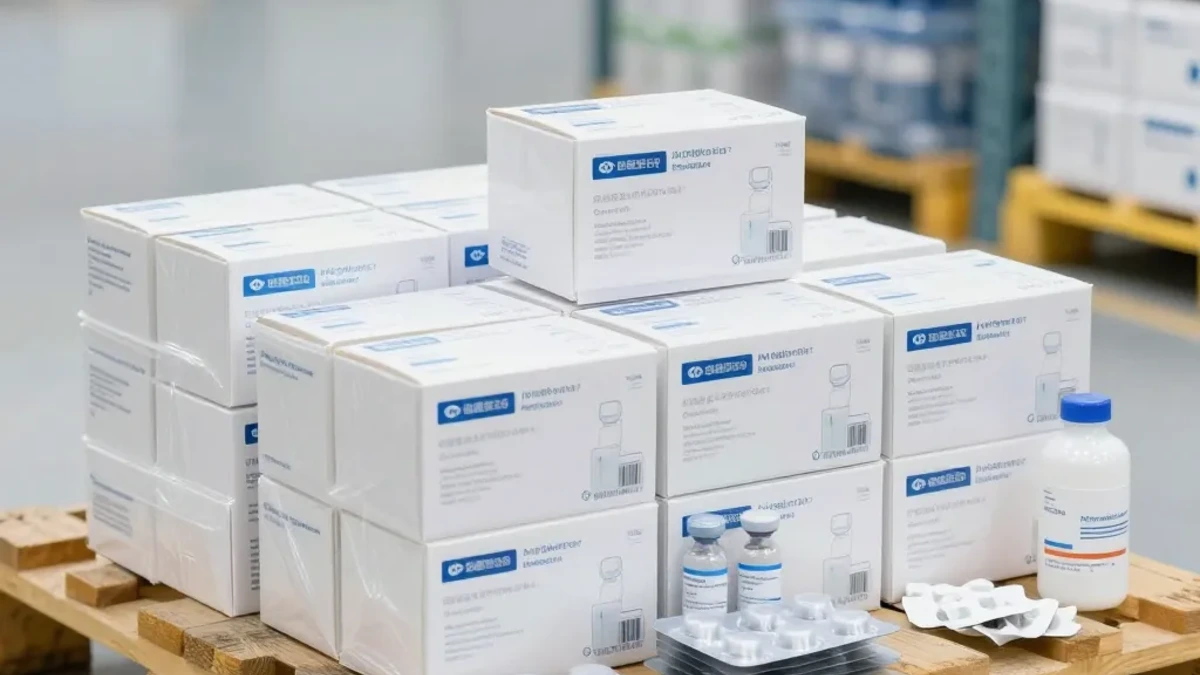
The White House announced tariffs on patented pharmaceuticals and related ingredients under Section 232. The headline rate is 100%, but the structure is tiered and conditional rather than universal.
What we verified
According to the White House fact sheet and proclamation:
- patented pharmaceutical products and ingredients can face a 100% tariff,
- the measure takes effect in 120 days for certain large companies and 180 days for smaller companies,
- products from the EU, Japan, Korea, Switzerland and Liechtenstein face a 15% tariff unless a lower deal-specific rate applies,
- the United Kingdom gets a lower rate under a separate agreement structure,
- companies that enter both onshoring agreements and Most Favored Nation pricing agreements can qualify for 0% tariffs through January 20, 2029,
- generic drugs and biosimilars are not covered at this time.
The administration also says the policy has already helped spur roughly $400 billion in investment commitments. That figure is an official White House claim, not an independently audited total, so we are treating it as a government assertion rather than an established fact.
Why it matters
Most trade actions do one thing. This one tries to do four things at once:
- pressure foreign producers,
- force domestic manufacturing commitments,
- use tariff relief as leverage for lower U.S. prices, and
- frame drug supply as a national-security vulnerability.
That combination makes the policy unusually consequential. It reaches deep into health care costs, supply chains, industrial planning, and international trade relations all at once.
Bottom line
The verified takeaway is not simply that tariffs went up. It is that the administration is trying to redesign the business logic of the patented-drug market by tying access to the U.S. market to pricing behavior and domestic manufacturing promises.
Sources
If this matters, share it