Why the Strait of Hormuz Is the Real Economic Front in the Iran War
The military story is only half the picture. The verified energy data shows why the Strait of Hormuz remains the choke point that can turn a regional war into a global inflation shock.
The most important number in the Iran story is not a missile count. It is 20.9 million barrels a day.
What happened
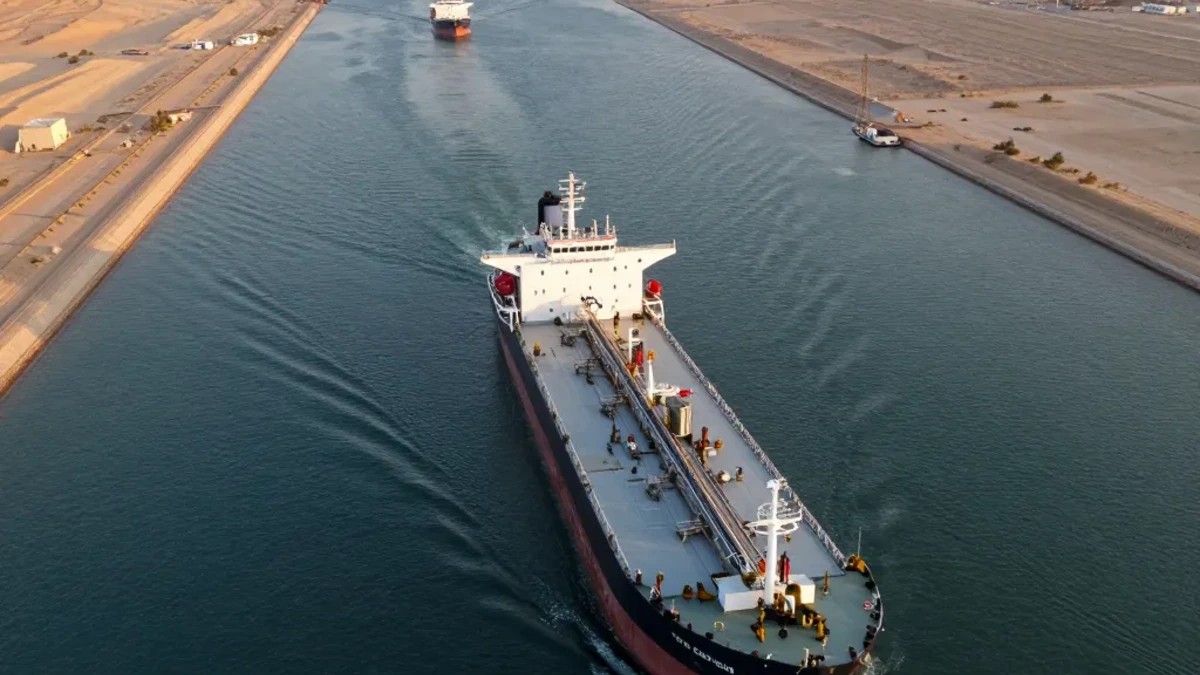
As the U.S.-Iran conflict continues, the Strait of Hormuz has moved back to the center of global economic risk. Political rhetoric around reopening or securing the waterway is not abstract. It concerns the narrow corridor through which a fifth of global petroleum liquids consumption still moves.
What we verified
The U.S. Energy Information Administration says that in the first half of 2025, total oil flows through the Strait of Hormuz averaged 20.9 million barrels per day, equal to about 20% of global petroleum liquids consumption and about one-quarter of total global maritime oil trade.
The same EIA analysis says the main bypass pipelines in Saudi Arabia and the UAE together could handle only about 4.7 million barrels per day if Hormuz were disrupted. That is an important fact check on any assumption that the market can simply route around the strait.
The EIA also says more than 20% of global LNG trade moved through Hormuz in the first half of 2025, mostly from Qatar. In other words, the chokepoint is not just about oil. It matters to gas markets too.
Why it matters
This is why the Iran war remains one of the top stories in the world even on days without a dramatic battlefield headline. The shipping lane is structurally bigger than any single speech or airstrike.
If Hormuz is even partially impaired, the result is not only lower physical supply. It is also longer routes, higher insurance costs, tighter tanker availability, and a faster pass-through into inflation-sensitive sectors like fuel, shipping, chemicals, and food.
That is the real economic logic behind the constant diplomatic and military focus on the waterway. Markets do not need a total closure to react. They only need credible disruption risk.
Bottom line
The verified energy data makes one point plain: the Strait of Hormuz is not symbolic terrain. It is the economic center of gravity for the wider Iran crisis, and the world does not have enough spare routing capacity to shrug off a prolonged disruption.
Sources
If this matters, share it