Trump's Federal Election Order Tests How Far the White House Can Reach Into State Voting Systems
The administration's new election-integrity order reaches into citizenship data, ballot tracking, and mail rules. The immediate question is not only policy intent, but legal reach.
The White House's March 31 election order is big because it tries to pull federal data systems, federal mail infrastructure, and state election administration into one chain of control.
What happened
President Trump signed an executive order that the White House says is meant to strengthen federal election integrity through citizenship verification and tighter controls on mailed ballots.
What we verified
The fact sheet and executive order say the administration is directing:
- DHS and the Social Security Administration to build and send states a State Citizenship List of confirmed U.S. citizens who will be 18 or older by the next federal election,
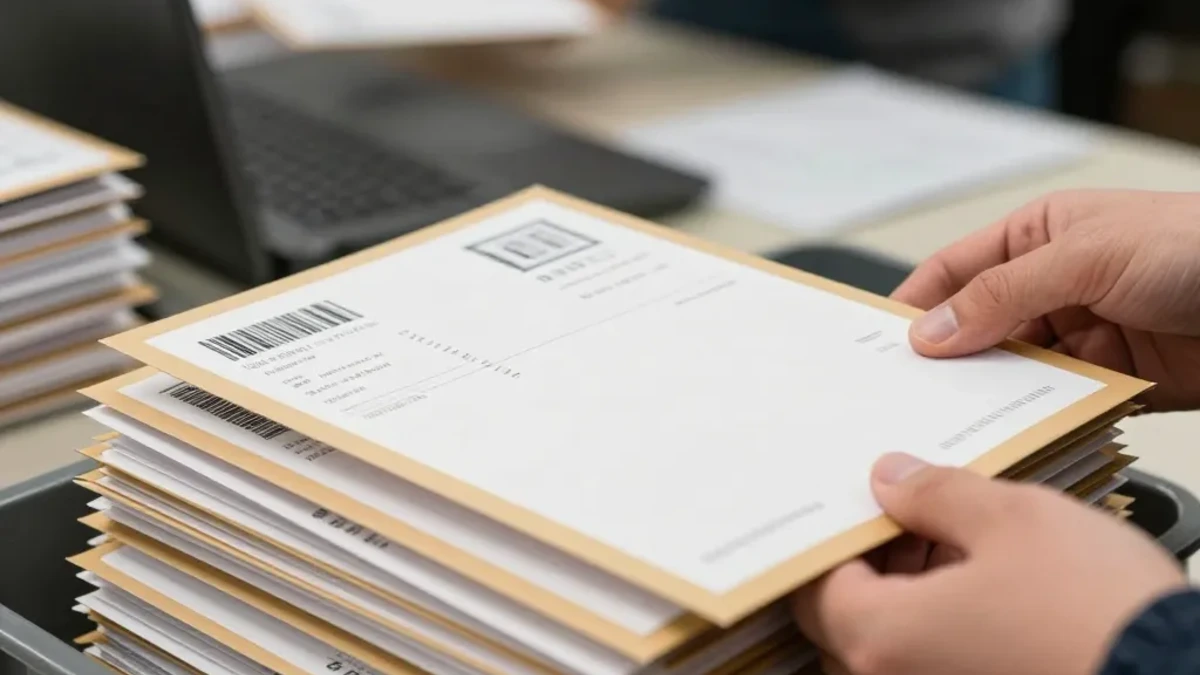
- USPS to launch rulemaking so outbound mail ballots use Official Election Mail envelopes with unique Intelligent Mail barcodes,
- USPS to transmit ballots only to people enrolled on a state-specific mail-in and absentee participation list,
- the Attorney General to prioritize investigations and prosecutions involving ballots sent to ineligible voters,
- federal agencies to consider withholding funds from noncompliant states and localities where law allows.
Those are not rumors or campaign promises. They are directly stated federal directives in an official order dated March 31, 2026.
Why it matters
This is one of the week's biggest political stories because it lands directly on the federalism fault line. Elections in the United States are largely administered by states, but the administration is asserting a much larger federal role in identity data, ballot delivery, and enforcement.
That means the real second phase of this story is legal. The order is broad on paper. Whether every part survives litigation, implementation resistance, or USPS rulemaking constraints is a separate question.
Bottom line
The verified headline is that the White House is trying to federalize more of the election-administration stack without waiting for Congress. The next question is how much of that architecture courts and states will allow to stand.
Sources
If this matters, share it